Choosing the right roofing system for a commercial building in Ohio is a critical decision that impacts long-term performance, energy efficiency, and operational costs. For business owners and managers across the region, understanding the nuances between popular options like EPDM (Ethylene Propylene Diene Monomer) and TPO (Thermoplastic Polyolefin) is essential. At Epic Roofing Service, we are driven to be the best in providing comprehensive, detail-oriented solutions that meet the unique demands of commercial properties. This discussion will explore the characteristics of both EPDM and TPO to help clarify which might be the superior choice for your Ohio commercial building.
Understanding EPDM Rubber Roofing
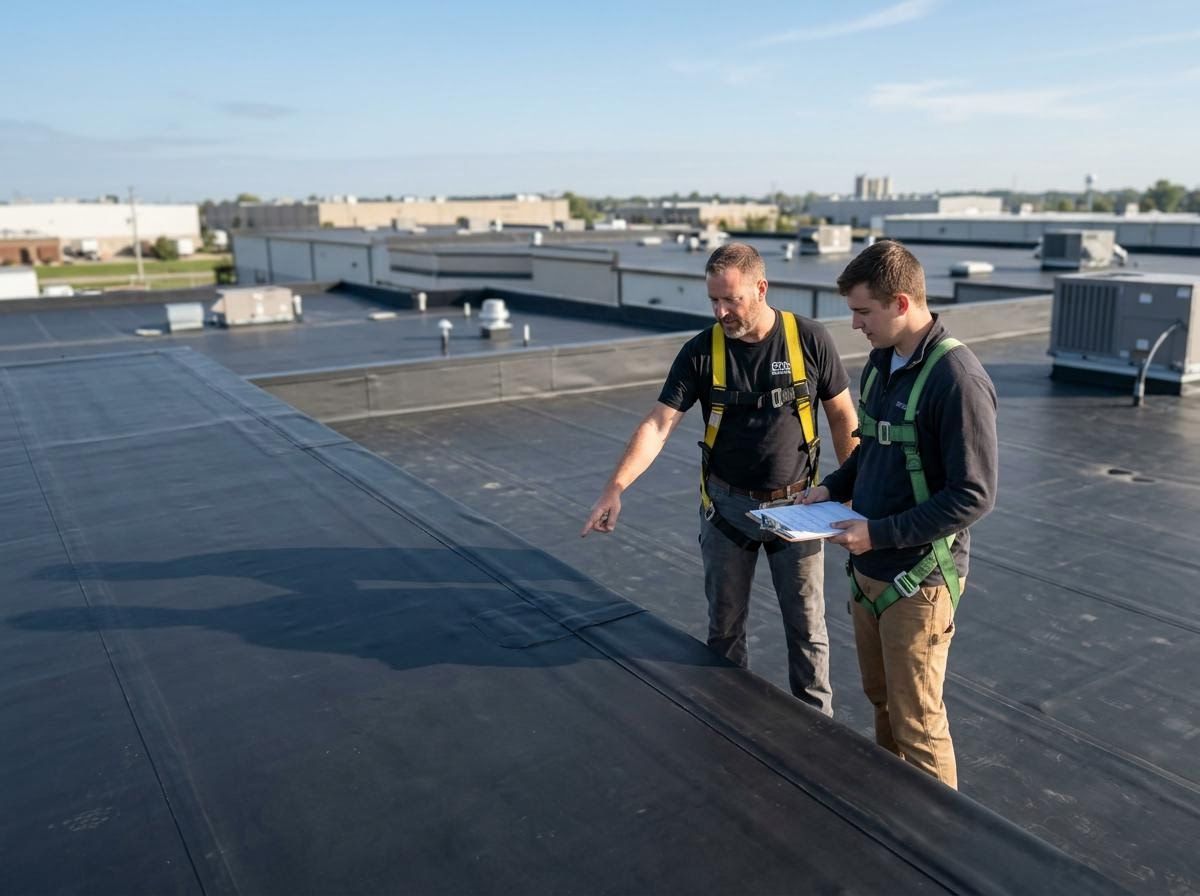
EPDM, often referred to as "rubber roofing," has been a staple in the commercial roofing industry for decades. Its popularity stems from its exceptional durability and resilience, especially in diverse weather conditions like those experienced in Ohio. EPDM is known for its incredible resistance to UV radiation, hail, and extreme temperature fluctuations, from intense summer heat to freezing winter cold. This makes it a highly reliable option for protecting a commercial building's interior. Installation is generally straightforward, and its long lifespan, often exceeding 20-30 years with proper maintenance, makes it a cost-effective choice over time.
Exploring TPO Single-Ply Roofing
TPO roofing systems are a newer, rapidly growing segment in commercial roofing, celebrated for their unique blend of performance and energy efficiency. TPO membranes are typically lighter in color, making them highly reflective. This reflectivity helps to reduce a building's cooling costs during warmer months by reflecting sunlight and heat away from the roof, a significant advantage for businesses looking to minimize energy consumption. Furthermore, TPO seams are heat-welded, creating a monolithic, impermeable barrier that is exceptionally strong and resistant to leaks. This strong seam technology contributes to TPO's impressive wind uplift resistance and overall watertight integrity.
EPDM vs. TPO: Key Considerations for Ohio Commercial Buildings
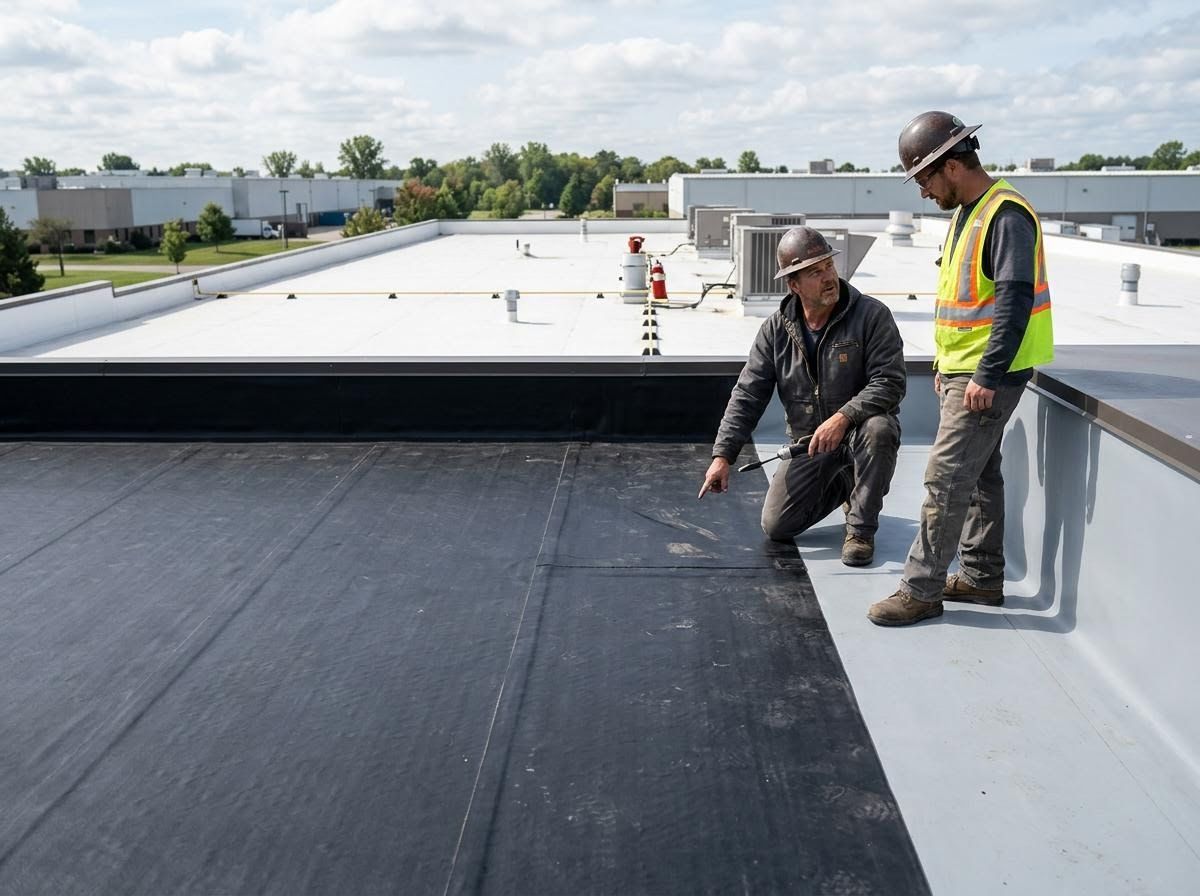
When evaluating EPDM versus TPO for an Ohio commercial building, several factors come into play. EPDM's dark surface absorbs heat, which can be beneficial in colder months by reducing heating costs but might increase cooling expenses in summer unless a white-surfaced EPDM is chosen. Its flexibility and resistance to punctures are highly valued for busy commercial roofs. TPO, on the other hand, excels in energy efficiency due to its reflective surface, offering potential savings on air conditioning costs. Its heat-welded seams provide superior strength compared to EPDM's adhesive or tape seams, potentially offering a more robust seal over time. The choice often boils down to specific building orientation, desired energy performance, and budget. For a discerning business owner, understanding these nuances is key to a successful roof replacement cincinnati project.
Making the Best Choice for Your Business
Ultimately, determining whether EPDM rubber roofing is "better" than TPO for your Ohio commercial building isn't about one being universally superior, but rather which system best aligns with your property's specific needs, budget, and long-term goals. Both offer excellent protection and longevity, yet they cater to slightly different priorities. EPDM's proven track record and robust nature make it a reliable workhorse, while TPO's energy efficiency and advanced seam technology present a compelling modern solution.
To ensure you make the most informed decision for your commercial property, it's vital to consult with a seasoned roofing contractor cincinnati oh businesses trust. Our team at Epic Roofing Service brings unparalleled attention to detail and expertise to every project, whether you're considering a new installation, roof repair cincinnati, or a complete roof replacement. We invite you to discuss your commercial roofing needs with our specialists to explore the optimal solution for your building.